

New SimpleXYZ 2026 release: our motorised microscope control software (SmartScope / Winkoms)
Over the past few weeks we've taken an important step forward with SimpleXYZ, the application that controls the microscope's XYZ stage and camera for image capture in digital pathology. The standout improvement is the new Sample Scan — see it in action in the video:
✅ Low-cost, compatible solution — runs on Windows 10 and 11 (64-bit) and Linux, developed entirely in-house at Winkoms with OpenSource tools, on SmartScope hardware and adaptable to any other motorised system.
✅ Sample Scan integrated with CapEx Snake — locates the tissue on the slide with a fast panoramic scan (4x objective) and, with a single click, sends the selected area to high-resolution capture (10x objective) without switching modules or repeating the scan.
✅ Multi-language interface — Spanish, Catalan and English, selectable from within the application itself.
✅ Background calibration and region detection (ROI) — uneven-illumination correction and manual drawing of areas of interest directly on the generated mosaic.
✅ Laplacian autofocus for CapEx Snake — initial focus is verified and automatically maintained throughout the whole real-time capture, avoiding out-of-focus images.
✅ User-experience polish — coordinates with 3 decimal places, finer exposure/gain controls, and a complete user manual.
Next steps: automated CI, unified Windows/Linux packaging, and consolidation of the capture workflows.

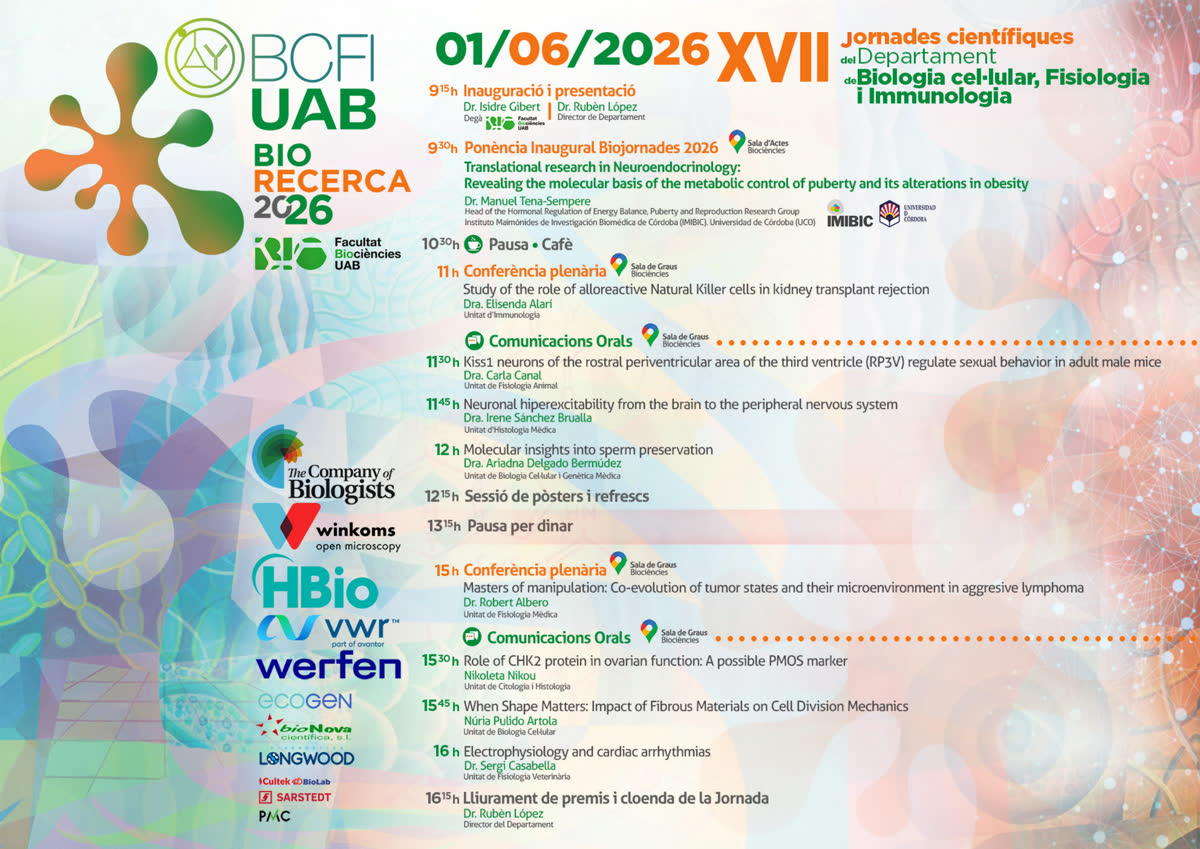
XI BABVE Scientific Conference 2026
On 1 June 2026, BABVE researchers will come together to share the most recent scientific output, as part of the XI Biorecerca Conference, taking place at the Sala de Graus of the Faculty of Biosciences (UAB).
We will showcase Parameciom Tracking Device designed for advanced microscopy applications.
Come and discover how the integration of motorised hardware and AI tools can transform your scientific workflows!
#microscopy #AI #biorecerca #UAB #BABVE #research #deepLearning #motorisation
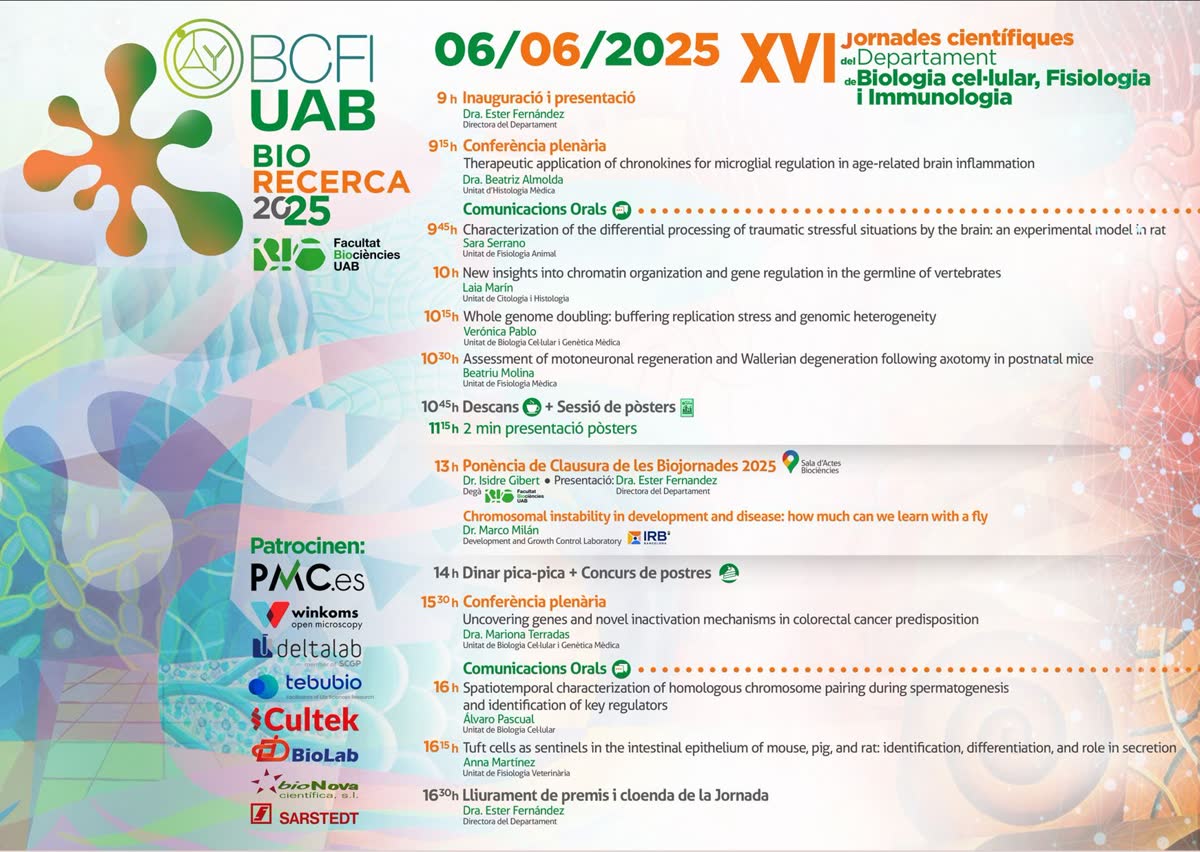
UABio 2025: presenting our technology solutions at the Faculty of Biosciences (UAB)
On 6 June 2025, we were present in Building C of the Faculty of Biosciences (UAB) at the UABio Scientific Conference, where we presented our technology solutions for research.
We showcased 2 motorised systems designed for advanced microscopy applications, as well as our web platforms:
Yolo Labeller Web App: a labeling tool for microscopy images based on YOLOv8 + SAM
QaiFIL Analysis Web App: a remote inference system optimised for quantifying filamentous bacteria.
Come and discover how the integration of motorised hardware and AI tools can transform your scientific workflows!
#microscopy #AI #cellBiology #UAB #research #deepLearning #motorisation #automatedAnalysis
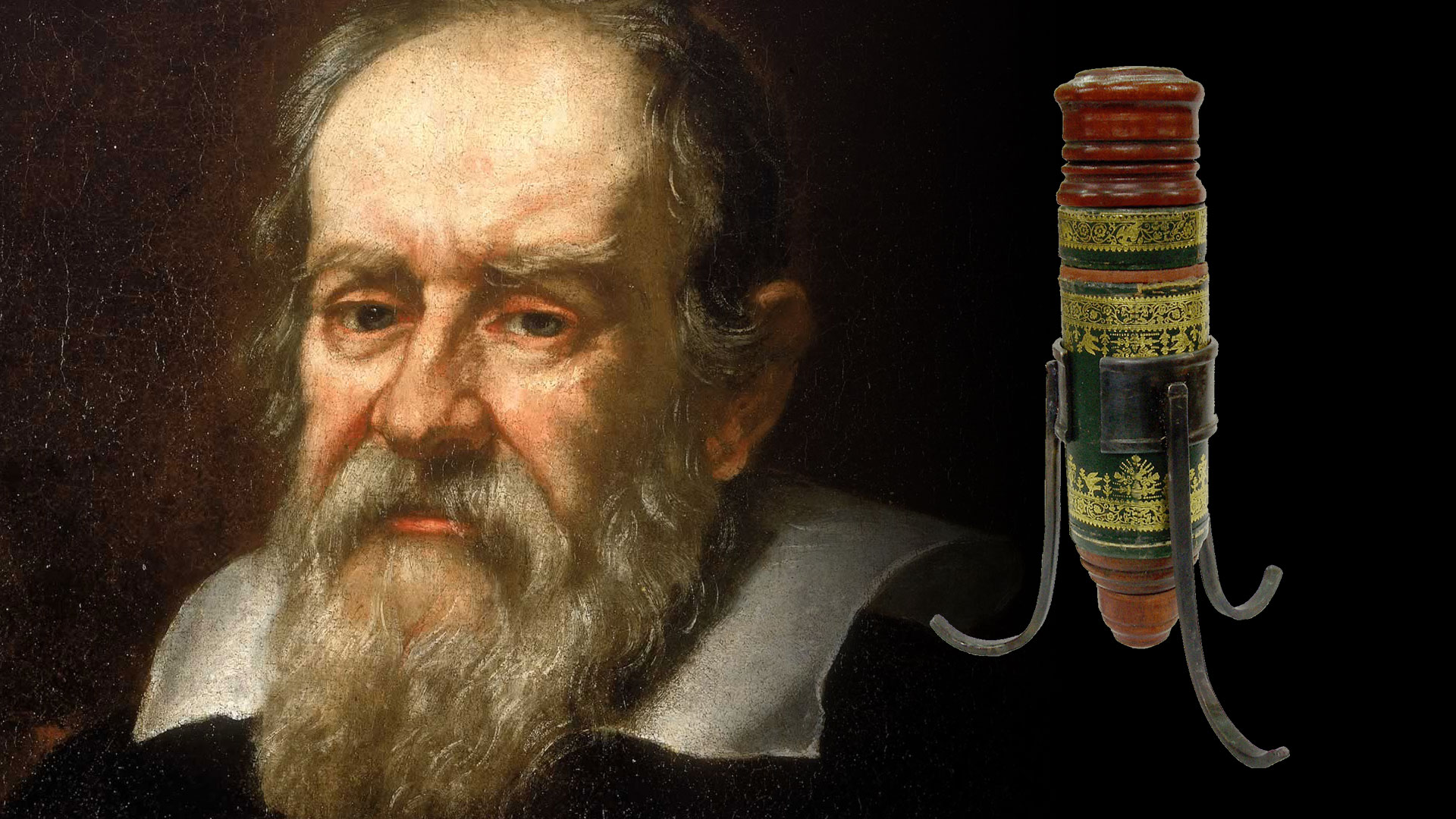
Galileo Galilei and Winkoms
Although Galileo Galilei did not stand out especially for his microscopic studies, he did so because of the application of the lenses in several devices such as the telescope and the creation of a microscope which he called "occhiolino" in the year 1609.
"The occhiolino" or microscope composed of a convex lens and a concave lens had a finish, cover included, with a strong Italian Renaissance character.
The microscope was made up of three lenses: eyepiece, field and objective. The eyepiece was located in a wooden capsule inserted in the upper part of the inner cardboard cylinder. At the bottom of this cylinder, held by a wooden ring, was the field lens. With respect to the objective lens it was in a wooden support at the bottom of the outer cylinder and lined with green leather. The inner cylinder (eyepiece and field) slides inside the outer one, to calculate the focal. The external cylinder, with the entire optical system was supported by an iron ring supported by three pillars. The approach was achieved by moving the body inside the iron ring.
Our brand Winkoms wants to pay tribute to the "occhiolino" (wink in English) of Galileo Galilei, and we intend that its creation and ingenuity be the reflection of our values and the way of understanding business.